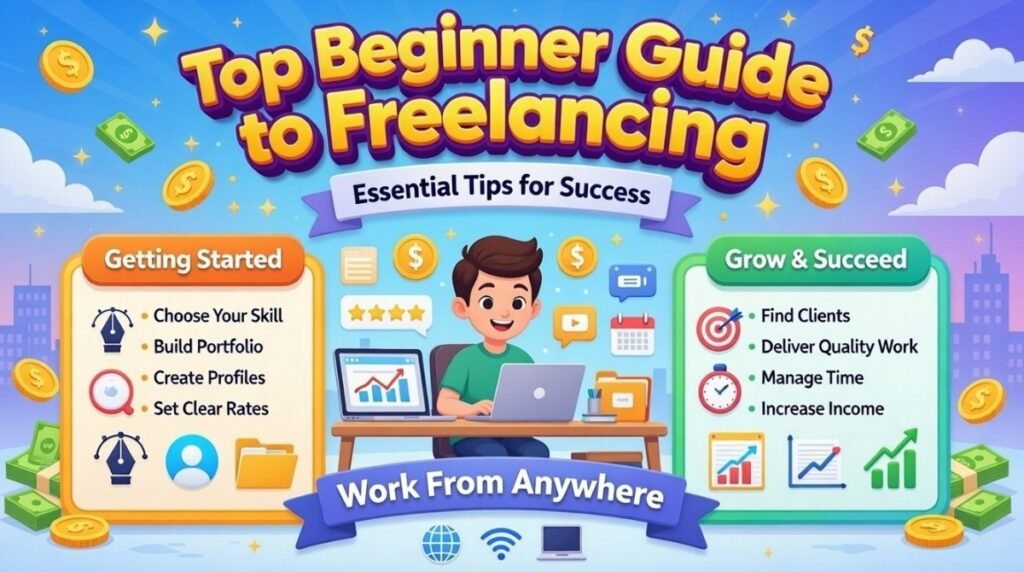
Are you ready to take control of your work life and earn on your own terms? Freelancing can open doors to freedom, flexibility, and exciting opportunities—but getting started can feel overwhelming.
This beginner guide to freelancing will walk you through the essential steps to launch your freelance career with confidence. From finding your first clients to managing projects smoothly, you’ll discover practical tips that make the journey clearer and more rewarding.
Keep reading, and you’ll soon see how simple actions today can lead to a thriving freelance future tailored just for you.
Freelancing Basics
Freelancing Basics cover the essential ideas to start working independently. It means offering your skills to clients without long-term contracts. Freelancers choose projects and set their schedules. This freedom attracts many people worldwide.
Understanding the basics helps avoid common mistakes. Knowing how to find clients, set prices, and manage time is key. It also prepares you for challenges like inconsistent income and self-discipline. Let’s explore important freelancing concepts to begin your journey.
What Is Freelancing?
Freelancing is working for different clients on a project basis. You do not have one employer and offer services like writing, design, or programming. You control your work hours and projects. This work style suits many who want flexibility.
How To Find Freelance Work
Start by creating a simple portfolio of your skills. Use websites like Upwork or Fiverr to find jobs. Join social media groups related to your field. Networking helps you get referrals from friends or past clients. Consistency in applying to jobs increases chances.
Setting Your Freelance Rates
Calculate how much money you need monthly. Consider taxes, tools, and other expenses. Research market rates for your skill level and region. Start with competitive but fair prices. Raise rates as you gain experience and good reviews.
Managing Time And Projects
Create a daily schedule with clear work hours. Use apps or calendars to track deadlines and tasks. Avoid multitasking to keep focus and quality high. Take breaks to prevent burnout. Good time management helps keep clients happy.
Choosing Your Niche
Choosing your niche is a key step in starting freelancing. A niche helps you focus on a specific skill or market. It makes finding clients easier and builds your reputation. Picking the right niche can save time and effort. It also helps you become an expert in one area.
Many beginners try to do everything. This can lead to confusion and less work. Instead, choose a niche that fits your skills and interests. Think about what you enjoy and what you do well. Your niche should match your strengths and market needs.
Understanding Your Skills And Interests
Start by listing your skills and hobbies. What tasks do you do well? What topics excite you? These clues point to possible niches. When you enjoy your work, you stay motivated longer. Clients also notice passion and quality in your work.
Researching Market Demand
Check which services people need most. Use job boards and freelancing sites to see popular tasks. High demand means more job offers. Look for niches with steady or growing needs. Avoid areas that are too crowded or shrinking.
Evaluating Competition
Too much competition makes finding clients hard. Look for niches with moderate competition. See what other freelancers offer and how you can stand out. Unique skills or better service attract clients. Find a niche where you can offer something special.
Testing Your Niche
Try small projects in your chosen niche first. This helps you gain experience and confidence. Feedback from clients shows if you meet market needs. Adjust your niche based on results and interest. Testing reduces risk and improves your chances of success.
Setting Up Your Workspace
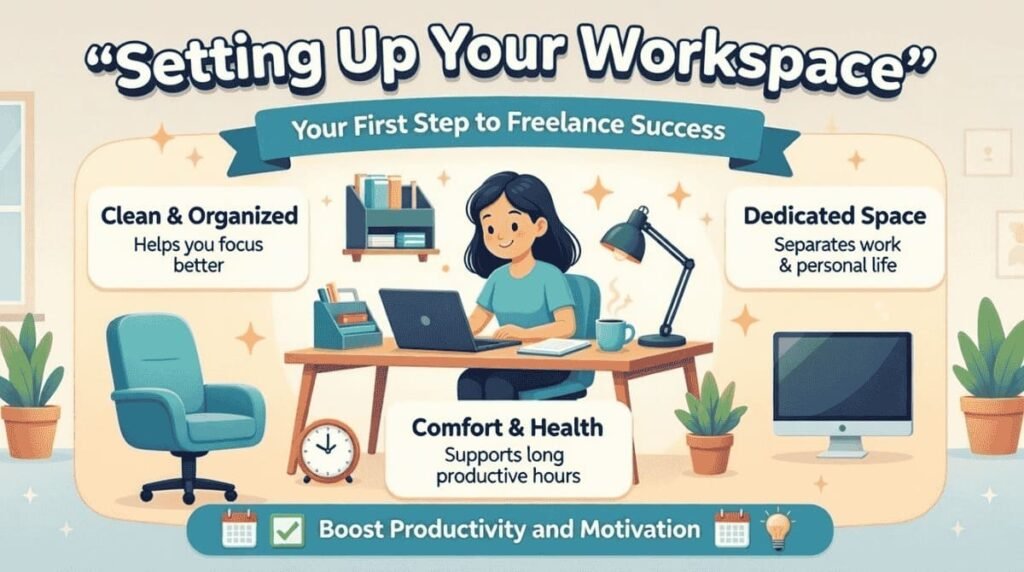
Setting up your workspace is the first step to success in freelancing. A clean and organized space helps you focus and work better. It also creates a professional environment that boosts your motivation.
Even if you work from home, a dedicated area for work separates your personal life from your job. This balance is important to avoid distractions and stay productive. The right setup supports your health and comfort during long work hours.
Choose A Quiet And Comfortable Spot
Pick a place with little noise and few distractions. This helps keep your mind clear and focused. Make sure the area has good lighting to avoid eye strain. Comfort is key, so use a chair that supports your back well.
Organize Your Desk And Tools
Keep only what you need on your desk. A tidy workspace reduces stress and saves time. Arrange your computer, keyboard, and mouse for easy reach. Use storage boxes or shelves to keep supplies neat and ready.
Ensure Reliable Internet And Power Supply
Fast internet is a must for freelancing tasks. It helps with communication and quick research. Check your power outlets and have backups like a power bank. Avoid interruptions to keep your work smooth and on time.
Add Personal Touches For Inspiration
Decorate your space with items that inspire you. Photos, plants, or art can boost your mood. Keep the area bright and inviting to increase creativity. A happy workspace leads to better work results.
Building A Portfolio
Building a strong portfolio is key for every freelancer. It shows your skills and work quality. A good portfolio helps clients trust you. It also makes finding jobs easier. Start with small projects that match your skills. Even practice tasks can add value to your portfolio.
Keep your portfolio clear and simple. Highlight your best work and explain what you did. Update it often with new projects. This keeps your portfolio fresh and interesting.
Creating Your First Portfolio Pieces
Begin by making sample work related to your field. Use real-world problems to solve. For example, design logos, write articles, or build websites. Show your unique style and approach. Even if you have no clients, create projects for yourself or friends. This builds experience and content for your portfolio.
Choosing The Right Platform
Pick a platform that fits your work type. Websites like Behance suit designers. Writers can use Contently or personal blogs. Programmers may prefer GitHub. Make sure the platform is easy to update. It should also allow you to show your work clearly and professionally.
Organizing Your Portfolio Effectively
Group similar projects together. Use categories like design, writing, or coding. Add brief descriptions for each piece. Explain your role and the skills used. Use clean layouts with good images or links. Avoid clutter to keep attention on your work.
Updating Your Portfolio Regularly
Always add new work to your portfolio. Remove old or weak projects. This shows growth and current skills. Regular updates keep your portfolio fresh for clients. Set a schedule, like once every two months, to review and improve it.
Finding Your First Clients
Finding your first clients marks a big step in your freelancing journey. It shows your skills can solve real problems. This part can feel tough but is very rewarding. Start with clear goals. Know what services you offer and who needs them.
Focus on building trust and making connections. Small wins lead to bigger projects. Use simple ways to reach people who might hire you. Be patient and keep learning from each experience.
Creating A Strong Freelance Profile
Your profile is your first impression. Make it clear and professional. Use a good photo and write a simple summary about your skills. Show what you can do and what makes you different.
Add examples of your work. Even small projects count. This helps clients trust your abilities. Keep your profile updated as you gain new skills.
Using Freelance Platforms To Find Clients
Freelance websites offer many job chances. Sign up on popular platforms like Upwork, Fiverr, or Freelancer. Complete your profile carefully. Apply only for jobs that fit your skills.
Write short, clear proposals. Explain why you are the right choice. Avoid copying others. Customize each message to the job and client.
Networking And Asking For Referrals
Talk to friends, family, and past coworkers about your freelancing work. They can give you your first clients or tell others about you. Join online groups and local meetups related to your skills.
Ask happy clients for referrals. Good word of mouth brings more work. Be polite and thank those who help you.
Creating Effective Proposals
Creating effective proposals is key to winning freelance projects. A clear and focused proposal shows clients you understand their needs. It also highlights your skills and how you can help.
Good proposals stand out from many others. They increase your chance of getting hired. Writing a strong proposal takes practice, but it is worth the effort.
Understand The Client’s Needs
Read the project description carefully. Know what the client wants and expects. Write your proposal based on these needs. Avoid copying and pasting generic text. Tailor your message to each project.
Start With A Strong Introduction
Begin your proposal by greeting the client politely. Introduce yourself with your name and skills. Mention the project title or a key detail. This shows you paid attention to their post.
Explain How You Will Solve The Problem
Tell the client how you plan to complete the project. Describe your approach in simple steps. Show confidence in your ability to deliver good results. Keep your explanation clear and short.
Highlight Your Relevant Experience
Share examples of similar work you have done. Mention skills or tools you used before. Include any results or feedback you received. This builds trust and shows you are capable.
Provide A Clear Timeline And Price
Give a realistic time frame for completing the work. Be honest about how long it will take. State your price clearly and explain what it covers. Avoid surprises by being upfront about costs.
End With A Call To Action
Close your proposal by inviting the client to respond. Use a polite question or offer to answer doubts. Show enthusiasm for starting the project. This encourages the client to contact you.
Pricing Your Services
Pricing your services is a key step in starting freelancing. Setting the right price helps attract clients and ensures you earn fairly. Prices must reflect your skills, time, and the value you offer.
Many new freelancers struggle with pricing. Too low, and you lose money. Too high, and clients may look elsewhere. Finding balance matters.
Understand Your Costs
Calculate how much money you need each month. Include rent, internet, software, and living costs. Divide this by the hours you plan to work. This gives a base hourly rate. Add extra for taxes and savings.
Research Market Rates
Check what other freelancers charge in your field. Look on freelancing websites and forums. Compare prices for similar skills and experience. This helps you set competitive and fair prices.
Choose A Pricing Model
Decide between hourly rates or fixed project fees. Hourly rates suit ongoing work or unclear tasks. Fixed fees work well for defined projects. Pick what fits your style and client needs best.
Adjust Prices Over Time
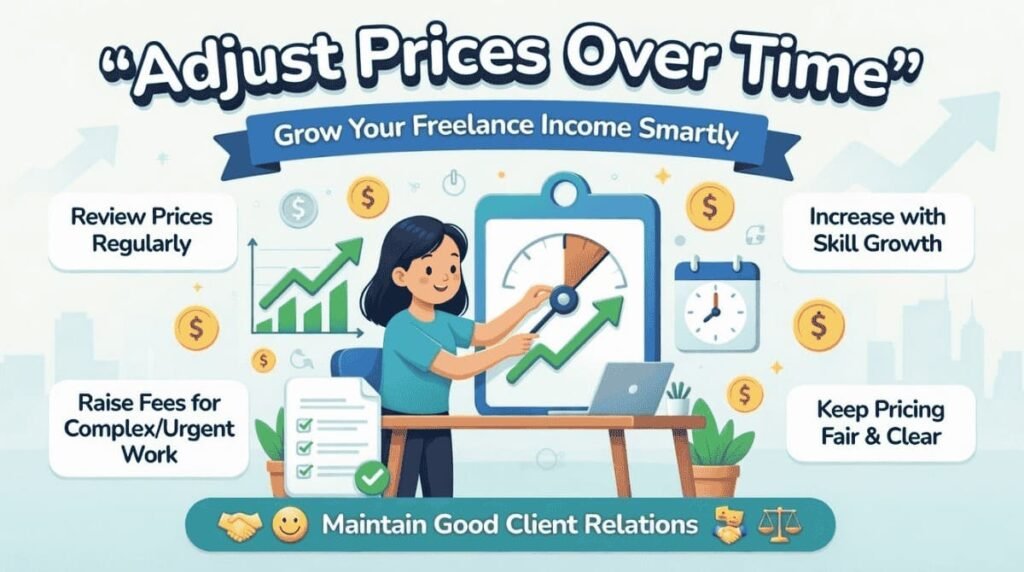
Review your prices regularly. Increase rates as your skills grow. Raise fees for complex or urgent work. Keep prices fair and clear to maintain good client relations.
Time Management Tips
Managing your time well is key to freelancing success. Without fixed hours, work can spill into personal life. Good time management helps keep work steady and stress low.
Simple habits make a big difference. Planning your day and setting priorities keeps tasks clear. Tracking time spent avoids working too long on one job.
Set Clear Work Hours
Decide your start and end time each day. Stick to these hours like a regular job. This builds routine and helps clients know when you are available.
Use A To-do List
Write daily tasks on a list. Check off items as you finish them. This keeps you focused and shows progress clearly.
Break Tasks Into Small Steps
Split large projects into smaller parts. Work on one step at a time. Small goals feel easier and keep motivation high.
Take Regular Breaks
Short breaks refresh your mind and body. Try a 5-minute break every hour. This prevents burnout and keeps your work sharp.
Limit Distractions
Find a quiet workspace. Turn off phone alerts and social media. A focused environment helps you finish tasks faster.
Use Time-tracking Tools
Apps like Toggl or Clockify track your work hours. They show how much time each task takes. This data helps you plan better.
Using Freelance Platforms
Freelance platforms offer a simple way to find work and clients. They act as a bridge between freelancers and businesses needing services. These platforms help beginners enter the freelancing world with less risk.
Many platforms provide tools to create profiles, showcase skills, and bid on projects. This setup allows freelancers to build a reputation and get paid securely. Choosing the right platform can make your freelancing journey smoother and more productive.
Choosing The Right Freelance Platform
Each platform serves different types of freelancers and clients. Some focus on creative jobs like design and writing. Others target tech fields like programming or marketing. Consider your skills and goals before picking a platform.
Look for platforms with good reviews and active job postings. Check the fees they charge for using their service. A platform with clear rules and support is best for beginners.
Creating A Strong Profile
Your profile is your first chance to impress clients. Use a clear photo and write a simple, honest summary of your skills. List your past work and any education or certificates you have.
Include examples of your best work if possible. Keep your profile up-to-date and proofread for errors. A strong profile helps you win trust and get more job offers.
Applying For Jobs Effectively
Apply only to jobs that match your skills and interests. Write a short, clear proposal explaining why you are the best fit. Avoid copying and pasting generic messages.
Show that you understand the client’s needs. Ask relevant questions if the job details are unclear. Timely and polite communication increases your chances of success.
Managing Payments And Contracts
Most platforms offer secure payment methods to protect freelancers. Use milestone payments for larger projects to get paid step-by-step. Read all contract terms carefully before agreeing.
Keep all communication and payment records in one place. This helps solve any disputes fairly. Trustworthy platforms provide support if problems arise.
Marketing Yourself
Marketing yourself is a key step in starting a freelancing career. It helps you attract clients and build trust. You want to show your skills clearly and make people interested in working with you.
Good marketing creates a strong image of who you are. It tells clients why you are the right choice for their projects. Simple and honest messages work best for new freelancers.
Creating A Clear Personal Brand
Start by defining what makes you different. Think about your skills and the types of work you enjoy. Use these to create a simple message about your services.
Choose a name and style that fit your work. Keep your brand consistent on all platforms. This helps people remember you.
Building An Online Presence
Set up a professional website or portfolio. Show your best work and add a short bio. Include contact details so clients can reach you easily.
Use social media to share your work and ideas. Join groups where your potential clients spend time. Post regularly but keep it relevant and helpful.
Networking And Finding Clients
Talk to people both online and offline. Attend local events or online meetings related to your field. Make connections by offering help or advice.
Ask satisfied clients for referrals. Word of mouth is powerful in freelancing. Keep a list of contacts and follow up with them often.
Managing Client Relationships
Managing client relationships is a key skill for every freelancer. Good relationships bring repeat work and strong referrals. Communicating clearly and respecting deadlines build trust. Handling problems calmly keeps clients happy. Here are some simple ways to manage client relationships well.
Setting Clear Expectations
Start by explaining your services and limits. Tell clients what you can deliver and when. Agree on project details and payment terms early. Write everything down in a contract or email. This avoids confusion and protects both sides.
Communicating Regularly
Keep clients updated on your progress. Send short messages or reports often. Ask questions if you need more information. Reply quickly to client messages. Regular contact shows you care and stay on track.
Handling Feedback Positively
Listen carefully to client feedback. Accept criticism without argument. Use feedback to improve your work. Thank clients for their input. A positive attitude helps build respect and trust.
Managing Deadlines Effectively
Plan your time and set realistic deadlines. Tell clients immediately if you face delays. Offer solutions to fix problems fast. Meeting deadlines shows professionalism and builds confidence.
Building Long-term Relationships
Show appreciation for your clients’ business. Send thank-you notes or small gifts when possible. Offer discounts or bonuses for repeat work. Stay friendly and professional in all talks. Long-term clients give steady income and referrals.
Handling Contracts And Payments
Handling contracts and payments is a key part of freelancing. Clear agreements protect your work and income. Understanding how to create and manage contracts helps avoid conflicts. Setting up reliable payment methods ensures you get paid on time. Both steps build trust with clients and keep your freelance business running smoothly.
Understanding Freelance Contracts
A contract is a written agreement between you and your client. It explains the work you will do, deadlines, and payment terms. Always use a contract, even for small projects. This document protects your rights and sets clear expectations. Keep your contract simple but detailed. Include project scope, delivery dates, payment schedule, and revision limits.
Key Elements To Include In Your Contract
Start with your name and client’s name. Describe the work clearly. Add deadlines and milestones. Specify how much and when you will be paid. Mention who owns the work after payment. Include terms for cancellations or changes. Both parties should sign the contract before work starts.
Setting Up Payment Methods
Choose payment methods that suit you and your clients. Popular options include PayPal, bank transfers, and payment apps. Confirm the currency and any fees involved. Request a deposit before starting work. Agree on payment terms, like paying after each milestone or at project end. Keep records of all payments received.
Tools For Freelancers
Freelancers rely on the right tools to work efficiently and stay organized. Choosing the best tools helps manage tasks, communicate with clients, and track time. These tools save time and reduce stress, making freelancing smoother and more productive.
Every freelancer needs a mix of tools for different tasks. From writing and design to billing and project management, the right software can make a big difference. Here are some essential tools every beginner should consider.
Project Management Tools
Project management tools help keep track of deadlines and tasks. They allow freelancers to organize work and set priorities easily. Tools like Trello and Asana offer simple boards and lists to visualize your workflow. This keeps projects on track and clients happy.
Time Tracking Software
Time tracking apps record how long tasks take. This helps freelancers bill clients fairly and understand where their time goes. Toggl and Clockify are popular tools that run in the background. They provide clear reports and improve productivity.
Communication Platforms
Good communication is key in freelancing. Tools like Slack and Zoom help freelancers talk with clients and teams. These platforms support messaging, calls, and video meetings. Clear communication builds trust and avoids misunderstandings.
Invoicing And Payment Tools
Invoicing tools simplify billing and payment collection. FreshBooks and PayPal allow freelancers to send professional invoices quickly. They track payments and send reminders automatically. This keeps cash flow steady and clients informed.
File Sharing Services
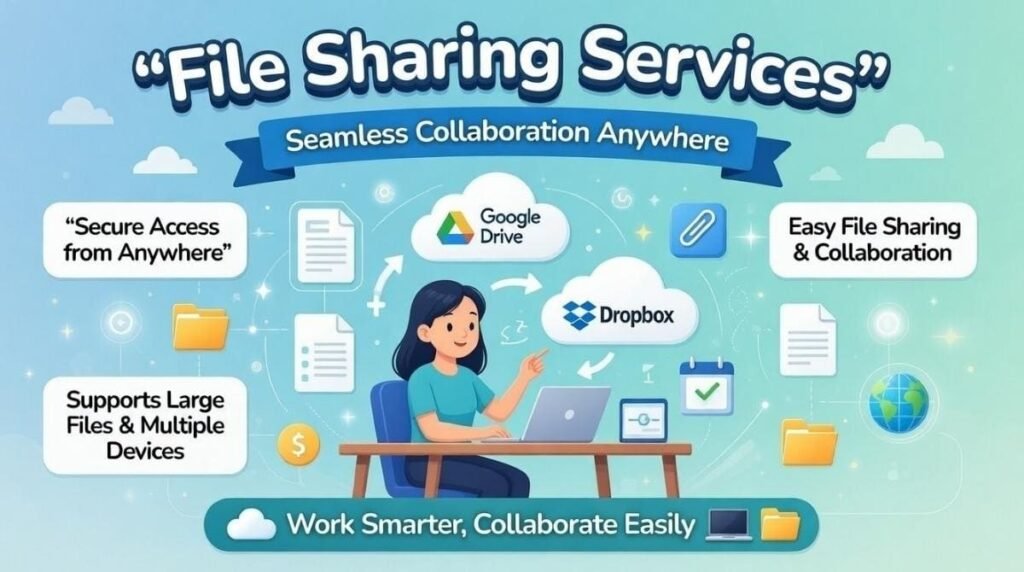
Freelancers often share large files with clients. Cloud storage services like Google Drive and Dropbox make this easy. They offer secure access to files from anywhere. Sharing and collaborating on documents becomes seamless.
Dealing With Challenges
Starting freelancing is exciting but not without challenges. Every beginner faces obstacles that test patience and skills. Knowing how to handle these issues helps keep your freelancing journey smooth.
Challenges may seem tough at first, but solutions are within reach. Breaking problems into smaller parts makes them easier to solve. Let’s explore common challenges and ways to deal with them effectively.
Managing Time And Deadlines
Time management is crucial in freelancing. Without a boss, setting your own schedule can be tricky. Use calendars and to-do lists to plan daily tasks. Break work into smaller steps to avoid feeling overwhelmed. Meeting deadlines builds trust with clients and brings more work.
Finding And Keeping Clients
Clients are the backbone of freelancing. Attracting new clients needs effort and patience. Create a simple portfolio to show your skills clearly. Always communicate politely and respond quickly to messages. Keeping clients happy means delivering quality work on time.
Handling Payment Issues
Money matters often cause stress for freelancers. Always agree on payment terms before starting work. Use contracts or written agreements to avoid confusion. Ask for partial payment upfront for big projects. If payments delay, send polite reminders and stay professional.
Dealing With Isolation
Working alone can feel lonely. Join online freelancer groups to share experiences. Take breaks and connect with friends or family regularly. A routine that includes social time helps balance work and life. Staying connected improves mental health and work focus.
Scaling Your Freelance Career
Scaling your freelance career is the next step after landing your first clients. It means growing your business, earning more, and finding better projects. You will learn how to manage more work without stress. This phase demands focus and smart choices to build a steady income.
Growth does not happen overnight. It takes time and effort to expand your network and skills. The goal is to work less but earn more by improving your workflow and client relationships. You must plan and act with clear goals to move forward.
Building A Strong Client Base
Focus on keeping your current clients happy. Deliver quality work on time every time. Ask for feedback and use it to improve. Happy clients often give repeat jobs and referrals. Referrals bring new clients without much effort. Make sure to communicate well and be professional. This builds trust and long-term partnerships.
Setting Clear Rates And Policies
Decide what your time and skills are worth. Set prices that reflect your value and experience. Do not be afraid to raise rates slowly as you gain confidence. Always have clear payment terms before starting work. Use contracts to avoid misunderstandings. Clear policies protect you and your clients.
Improving Your Skills Continually
Learn new tools and techniques related to your field. Take online courses or attend workshops to stay updated. The more skills you have, the more projects you can handle. Clients prefer freelancers who can solve many problems. Constant learning helps you offer better services and increases your value.
Managing Time And Projects Efficiently
Use tools to organize your tasks and deadlines. Break big projects into smaller, manageable parts. Prioritize work by deadlines and difficulty. Avoid multitasking to keep focus and quality high. Good time management reduces stress and improves productivity. It helps you deliver work faster and take on more clients.
Expanding Your Freelance Network
Join freelance groups and communities online and offline. Connect with other freelancers to share tips and support. Attend local events or webinars to meet potential clients. Networking opens doors to new opportunities and partnerships. The right connections can lead to steady work and growth.
Conclusion
Freelancing offers freedom and growth for those who start right. Begin small, learn daily, and build your skills step by step. Stay patient and keep improving your work and client relations. Challenges will come, but persistence brings success in freelancing.
Use this guide as your first tool to start well. Your freelance journey can grow with effort and good habits. Keep exploring, adapting, and moving forward confidently.
Frequently Asked Questions
What Skills Do Beginners Need To Start Freelancing?
Beginners need good communication and basic skills in their chosen field. Time management and self-discipline are also very important. These help deliver quality work on time.
How Can Beginners Find Their First Freelance Clients?
Start by using online platforms like Upwork or Fiverr to find jobs. Networking with friends and joining social media groups can also help. Building a simple portfolio boosts trust.
What Tools Are Essential For New Freelancers?
Freelancers need tools like email, calendar apps, and project management software. Payment platforms such as PayPal or Stripe are also useful. These tools help keep work organized and get paid.
How Should Beginners Set Their Freelance Rates?
Research what others charge for similar work in your area and skill level. Start with a fair, competitive rate and increase it as you gain experience. Always value your time and effort.
What Common Challenges Do New Freelancers Face?
New freelancers often struggle with finding clients and managing time well. They may also face unpredictable income and work-life balance issues. Planning and patience help overcome these challenges.