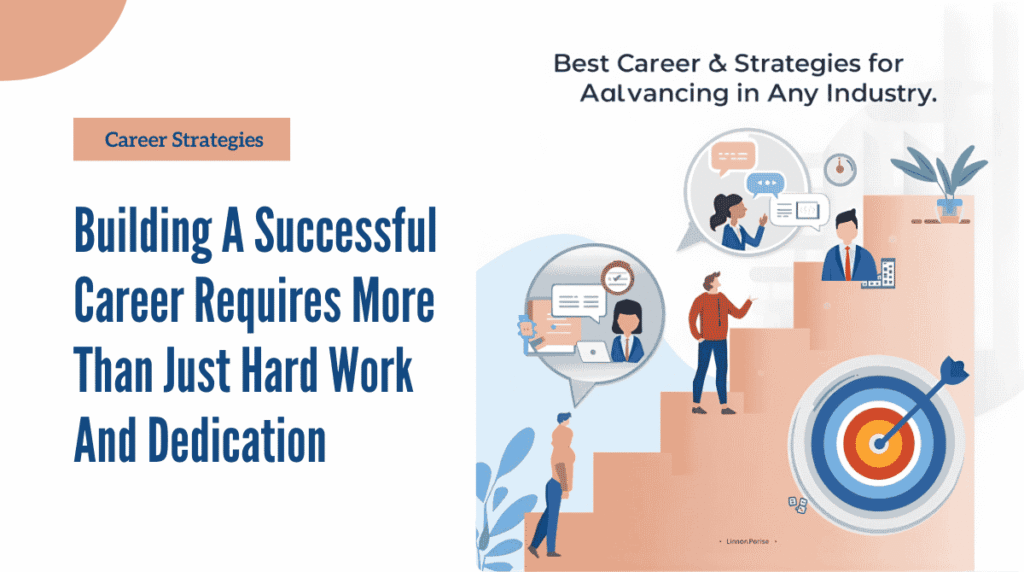
Building a successful career requires more than just hard work and dedication. It requires a strategic approach that aligns your skills, opportunities, and ambitions. To truly advance in your career, it’s essential to adopt a proactive mindset, identify key areas for growth, and develop an actionable plan that sets you apart in any industry. Career strategies go beyond simply climbing the corporate ladder—they are about cultivating your unique strengths and positioning yourself as an indispensable asset in your field.
Regardless of the industry you’re in, advancing in your career means continuously adapting, evolving, and seizing new opportunities. Whether you’re just starting your career or looking to make a significant leap, these career strategies will help you gain traction and make measurable progress toward your professional goals.
Building a Solid Skill Set for Long-Term Success
1. Master Core Skills Relevant to Your Industry
To progress in any career, you must focus on mastering the skills that are most valuable in your industry. The key to staying competitive is to invest in skill development continually. Whether you work in technology, healthcare, finance, or any other field, staying relevant requires you to keep up with industry standards and emerging trends.
- Action Step: Stay updated on industry certifications, take online courses, and attend workshops that will keep your expertise sharp and help you stand out among your peers.
2. Develop Soft Skills to Complement Technical Expertise
While technical skills are necessary, soft skills such as communication, emotional intelligence, problem-solving, and leadership are equally important. These skills will enable you to collaborate more effectively, navigate workplace dynamics, and position yourself for higher-level roles within the organization. Cultivating strong soft skills will allow you to build effective relationships, manage teams effectively, and excel in leadership positions.
- Example: Good communication can improve teamwork, while firm leadership can help you manage projects efficiently, even under pressure.
Networking: Building Connections that Propel Your Career
3. Build a Strong Professional Network
Networking is a vital component of career advancement. The more people you know and the more you share your expertise, the more likely you are to receive opportunities, advice, and mentorship that can drive your career forward. Professional networks provide a platform for exchanging ideas and collaborating on projects that could open doors for you in the future.
- Tip: Attend industry conferences, seminars, or local networking events to meet new people and foster professional relationships.
4. Find a Mentor to Guide Your Career Path
A mentor is someone who can offer guidance based on their own experiences and perspectives. They can help you navigate the complexities of career decisions, provide feedback, and give you advice on how to avoid common pitfalls. Having a mentor is one of the most powerful career strategies for personal and professional growth.
- Action Step: Identify someone whose career you admire and reach out to them for mentorship. It can be someone within your organization or someone outside of it.
Setting Clear Career Goals to Track Progress
5. Define Your Career Objectives and Stick to Them
Having clear career goals is one of the most effective career strategies. These goals help provide direction, keep you focused, and measure your success. Whether your goal is to become a senior manager, start your own business, or achieve a specific salary, identifying your objectives will serve as a compass throughout your career.
- Action Step: Break down your long-term goals into short-term, manageable tasks. This makes achieving them feel more attainable and keeps you motivated.
6. Create a Plan of Action to Achieve Your Goals
Setting goals is only the beginning. To truly advance in your career, you must create an action plan that helps you achieve your goals. Whether that involves pursuing additional education, gaining specific experiences, or expanding your professional network, an action plan outlines the exact steps to follow to achieve your career milestones.
- Example: If your goal is to move into a managerial position, your action plan might include completing a leadership development program and volunteering for team projects.
Increasing Your Visibility in Your Industry
7. Volunteer for High-Impact Projects
Taking on challenging projects or assignments can help you stand out within your organization and industry. These high-visibility projects not only allow you to showcase your skills but also demonstrate your ability to take initiative and manage complex tasks. Successful completion of these projects can lead to greater recognition and career opportunities.
- Action Step: Look for opportunities to contribute to cross-departmental projects, lead teams, or take ownership of a key initiative.
8. Create an Online Personal Brand
In today’s digital world, your online presence can play a crucial role in advancing your career. Establishing a strong personal brand on professional networks, such as LinkedIn, as well as other platforms like Twitter or a personal blog, can significantly boost your visibility. Share content, offer your insights, and engage with industry leaders to build your reputation as an expert.
- Tip: Regularly update your LinkedIn profile with your accomplishments, skills, and projects to keep your network informed.
Gaining Experience and Recognition
9. Take On Lateral Career Moves to Broaden Your Experience
Sometimes, career growth isn’t just about moving upward; it can also involve making lateral moves within your organization or even transitioning to a new industry. These moves provide an opportunity to diversify your skill set, gain exposure to new challenges, and increase your value in the job market. Often, lateral moves lead to increased opportunities for future advancement.
- Example: Transitioning from a technical role to a project management position can open up new career avenues while enhancing your versatility.
10. Regularly Review and Showcase Your Achievements
To gain recognition, ensure that your successes are visible to others. Don’t wait for someone to notice; regularly update your manager and colleagues on the results you’re achieving. Documenting your achievements in a professional portfolio or on your LinkedIn profile is also a good strategy.
- Tip: Create a habit of tracking your accomplishments and sharing them with your leadership team to ensure your contributions don’t go unnoticed.
Navigating Career Setbacks and Adapting to Change
11. Embrace Setbacks as Opportunities for Growth
Every career has its share of setbacks, whether it’s a failed project, rejection, or a missed promotion. Instead of allowing setbacks to demotivate you, view them as learning opportunities. Analyze what went wrong, gather feedback, and use the experience to adjust your strategy and move forward stronger than before.
- Action Step: After a setback, take time to reflect on what you learned and incorporate those lessons into your next career move.
12. Be Adaptable and Open to Change
The workplace is constantly evolving, and new technologies, processes, and trends are reshaping industries. Being adaptable to these changes is crucial for career success. Stay open to learning new skills and adjusting your approach to keep pace with industry shifts. Those who are quick to adapt are more likely to thrive in changing environments.
- Example: If you work in marketing, staying current with trends like artificial intelligence and data analytics will keep you ahead of the curve.
Time Management and Work-Life Balance
13. Master Time Management to Stay Focused
Effective time management is essential for preventing burnout and maintaining a successful career trajectory. Set priorities based on your goals, allocate time for high-value tasks, and avoid distractions. A disciplined approach to time management will enable you to excel in your current role and make time for personal development.
- Tip: Use productivity tools or time-blocking techniques to optimize your daily schedule and stay on track.
14. Maintain a Healthy Work-Life Balance
While pursuing career success is important, ensuring a balanced life is equally essential. Overworking can lead to burnout, negatively impacting both your career and personal life. Prioritize self-care, take regular breaks, and establish clear boundaries to maintain a sustainable work-life balance that fosters long-term career growth.
- Action Step: Set aside time for hobbies, family, and relaxation to maintain high energy levels and a sharp focus.
Key Career Strategy Components
| Strategy Component | Actionable Steps | Expected Outcome |
|---|---|---|
| Skill Development | Take online courses, attend workshops, earn certifications | Improved expertise, job eligibility, career growth |
| Networking | Attend industry events, connect with professionals | New job leads, professional support, visibility |
| Career Goal Setting | Define short-term and long-term goals, track progress | Clear career direction and measurable success |
| Volunteering for Projects | Take on high-visibility projects, lead teams | Recognition, leadership opportunities |
| Building Personal Brand | Create a LinkedIn profile, share valuable content | Increased reputation as an industry expert |
Career Strategies for Long-Term Growth
15. Reassess and Adjust Your Career Plan Regularly
Your career plan should never be static. As your life circumstances, goals, and industry trends evolve, you must reassess your strategy. This ongoing evaluation ensures that you stay on the path to success and can make adjustments when necessary.
Conclusion
Successfully advancing in any industry requires a combination of skills, strategic planning, networking, and adaptability. By implementing these career strategies—focusing on skill development, goal setting, visibility, and resilience—you can propel your career forward with purpose and direction. Continue refining your approach, remain open to new opportunities, and view challenges as opportunities for growth and improvement.
FAQs
How do I identify the right career strategy for me?
Reflect on your career aspirations, strengths, and areas of improvement. Tailor your strategy to align with both your professional goals and personal values.
Should I focus more on technical skills or soft skills?
Both are essential. Technical skills enable you to perform your job effectively, while soft skills empower you to communicate, lead, and collaborate successfully.
How can I find a mentor in my industry?
Attend networking events, join industry-specific groups, and seek out individuals whose experience aligns with your career aspirations.
How often should I review my career goals?
It’s a good practice to review your goals at least annually to ensure they remain relevant and aligned with your long-term aspirations.
What if my career doesn’t seem to be progressing as expected?
Evaluate your current strategy and seek feedback. Adjust your approach based on your strengths, industry trends, and any setbacks you’ve encountered.