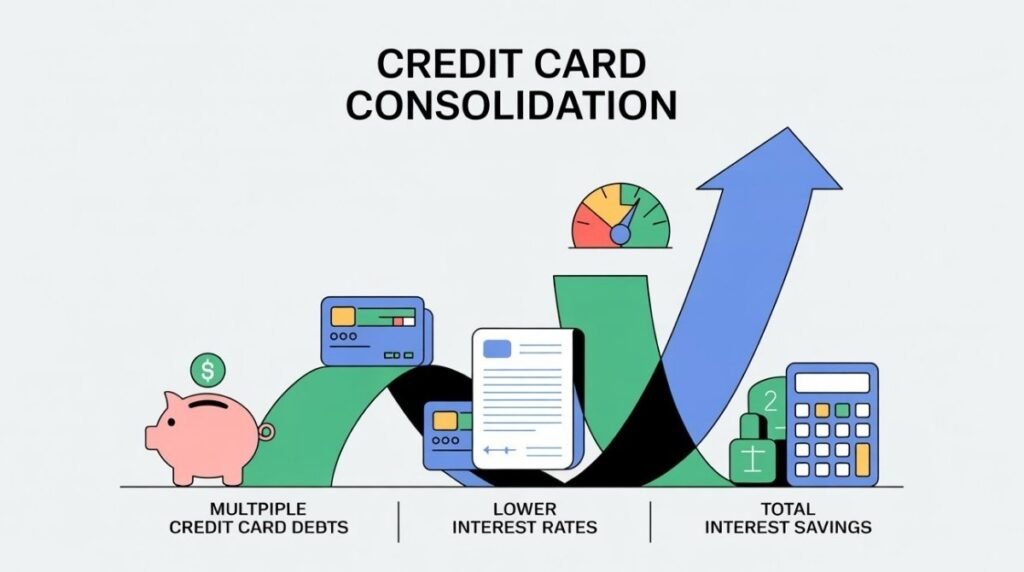
High-interest credit card debt can slow your financial progress. A credit card consolidation loan offers a strategic way to manage this burden. This type of personal loan is used specifically to pay off existing card balances. The primary goal is to secure a lower Annual Percentage Rate. This lower rate directly reduces your total interest costs.
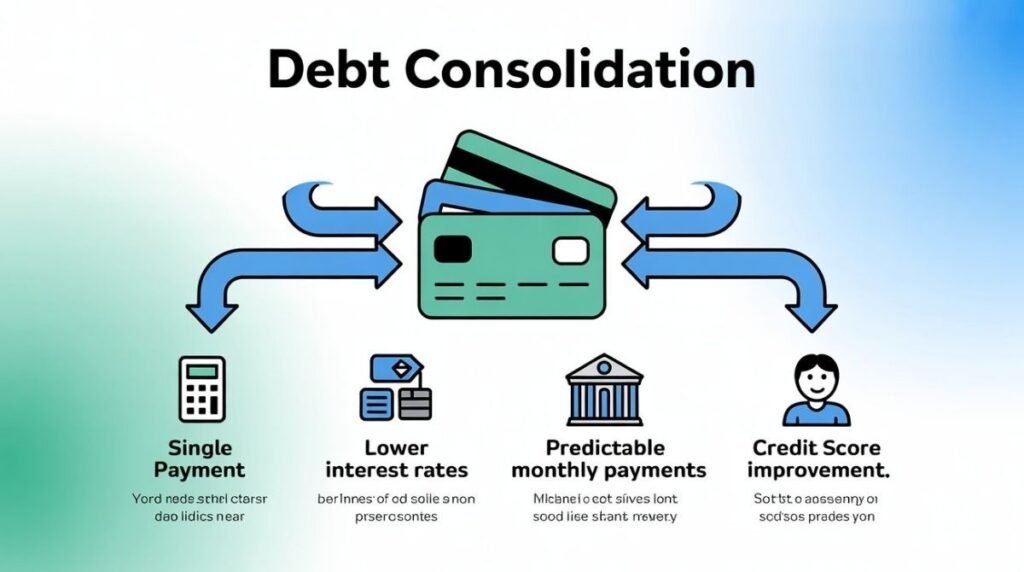
Consolidating multiple payments into one simplifies your budget. You replace several high APR payments with a single, fixed monthly payment. This structure provides a clear path to becoming debt-free. We will examine the mechanics of how this loan saves you money. The right strategy can significantly accelerate your debt payoff timeline.
The Mechanics of Interest Savings
A credit card consolidation loan works through a straightforward process. You receive a lump sum from a lender. You then use these funds to pay off your high-interest credit cards in full. Now you owe money to a single lender instead of multiple credit card companies. The financial benefit comes from the difference in interest rates.
Credit cards typically have high, variable APRs. A consolidation loan often has a lower, fixed interest rate. This fixed rate provides payment predictability. More of your monthly payment goes toward the principal balance. This accelerates your progress and reduces the total interest paid over time.
A Numerical Example of Savings
The table below illustrates a typical scenario. It shows the potential impact of switching from credit card debt to a consolidation loan.
| Debt Profile | Total Debt | Interest Rate | Monthly Payment | Time to Payoff | Total Interest Paid |
|---|---|---|---|---|---|
| Three Credit Cards | $15,000 | 22% APR (Average) | $381 | 5 years | $7,860 |
| Consolidation Loan | $15,000 | 11% APR (Fixed) | $326 | 5 years | $4,560 |
| Net Savings | – | 11% less | $55/month | Same Timeline | $3,300 saved |
Key Factors That Determine Your Interest Rate
Your ability to secure a low rate on a credit card consolidation loan depends on several factors. Lenders assess your risk level before making an offer. Understanding these criteria helps you position yourself for the best terms.
- Credit Score: This is the most significant factor. A higher FICO score signals lower risk to lenders. Scores above 720 typically qualify for the lowest available rates.
- Debt-to-Income Ratio (DTI): Lenders calculate your DTI by dividing your monthly debt payments by your gross monthly income. A lower DTI ratio indicates you have sufficient income to manage a new payment.
- Credit History: A long history of responsible credit use builds lender confidence. It shows a pattern of reliable financial behavior.
- Loan Amount and Term: The amount you borrow and the repayment length can influence the rate.
The Advantage of a Fixed Interest Rate
Credit cards use variable APRs that can increase over time. A credit card consolidation loan typically offers a fixed interest rate. Your rate and payment remain constant for the entire loan term. This stability makes budgeting easier and protects you from future rate hikes. You know the exact date your debt will be zero.
The Process of Obtaining a Consolidation Loan
Securing a loan involves a series of clear steps. A prepared approach increases your chances of approval.
- Check Your Credit Score: Know your starting point with a free credit report.
- Calculate Your Total Debt: Sum the balances of all credit cards you plan to consolidate.
- Shop and Compare Lenders: Get pre-qualified offers from multiple banks, credit unions, and online lenders. Pre-qualification uses a soft credit check.
- Review Loan Terms: Carefully compare the APR, fees, and monthly payment.
- Submit a Formal Application: Choose a lender and provide required documentation, like pay stubs.
- Receive Funds and Pay Off Cards: The lender may pay your creditors directly or disburse funds to you.
Choosing the Right Lender for Your Needs
Different lenders cater to different borrower profiles. It is crucial to find one that matches your financial situation.
- Banks: Best for existing customers with strong credit histories.
- Credit Unions: Often offer competitive rates to members, especially those with average credit.
- Online Lenders: Provide a fast application process and may consider alternative data.
Strategic Financial Management After Consolidation
The loan is only one part of the solution. Your financial habits after consolidation determine long-term success. The goal is to avoid falling back into debt.
- Create a Realistic Budget: Track income and expenses to ensure you can afford the new payment.
- Avoid New Credit Card Debt: Resist using the credit cards you just paid off. Consider keeping them open but out of sight to help your credit utilization ratio.
- Set Up Automatic Payments: Ensure you never miss a payment, protecting your payment history.
- Build an Emergency Fund: Start saving for unexpected expenses to avoid relying on credit cards again.
Comparing a Consolidation Loan to Other Options
A loan is not the only method for managing credit card debt. The table below compares it to a common alternative.
| Feature | Credit Card Consolidation Loan | Balance Transfer Credit Card |
|---|---|---|
| Interest Rate | Fixed, often based on credit score | 0% introductory APR for 12-21 months |
| Repayment Structure | Fixed monthly payment for 2-7 years | Requires paying off the balance before the promo ends |
| Best For | Borrowers who want a structured, predictable plan | Those who can pay off the debt aggressively within the promo period |
| Fees | Possible origination fee (0%-8%) | Balance transfer fee (3%-5% of transferred amount) |
The Impact on Your Credit Health
A credit card consolidation loan can influence your credit score in several ways. The initial application causes a small, temporary dip due to the hard inquiry. However, the long-term effects are often positive. Paying off your credit card balances will significantly lower your overall credit utilization. This is a major factor in your score calculation. Consistent on-time payments on the new loan will build a positive payment history.
Conclusion
A credit card consolidation loan is a powerful financial tool for reducing interest costs. It simplifies debt repayment and can save you thousands of dollars. The key to success lies in securing a lower interest rate and maintaining disciplined financial habits afterward. This approach provides a clear and structured path out of debt, contributing to long-term financial freedom.
Frequently Asked Questions
What is the difference between debt consolidation and a consolidation loan?
Debt consolidation is the overall strategy of combining multiple debts into one. A consolidation loan is a specific financial product, like a personal loan, used to execute that strategy. It is one of several methods available for consolidation.
Can I get a consolidation loan with bad credit?
It is possible, but more challenging. Lenders specializing in bad credit loans may approve you, but the interest rate will be higher. This could reduce or eliminate the interest savings benefit. Improving your credit score first is often advisable.
How much can I save with a credit card consolidation loan?
Your savings depend on your current APRs, the loan’s APR, and the loan term. The higher your current credit card rates, the more you stand to save. Using an online loan calculator with your specific numbers provides the best estimate.
Will a consolidation loan hurt my credit score?
There may be a minor, temporary dip when the lender performs a hard credit check. However, the positive effects—like lower credit utilization and a consistent payment history—typically lead to a higher score over several months.
Are there fees associated with these loans?
Some lenders charge an origination fee, which is a percentage of the loan amount deducted upfront. This effective cost is included in the loan’s APR. Always compare loans based on the APR, as it reflects the total annual cost, including fees.