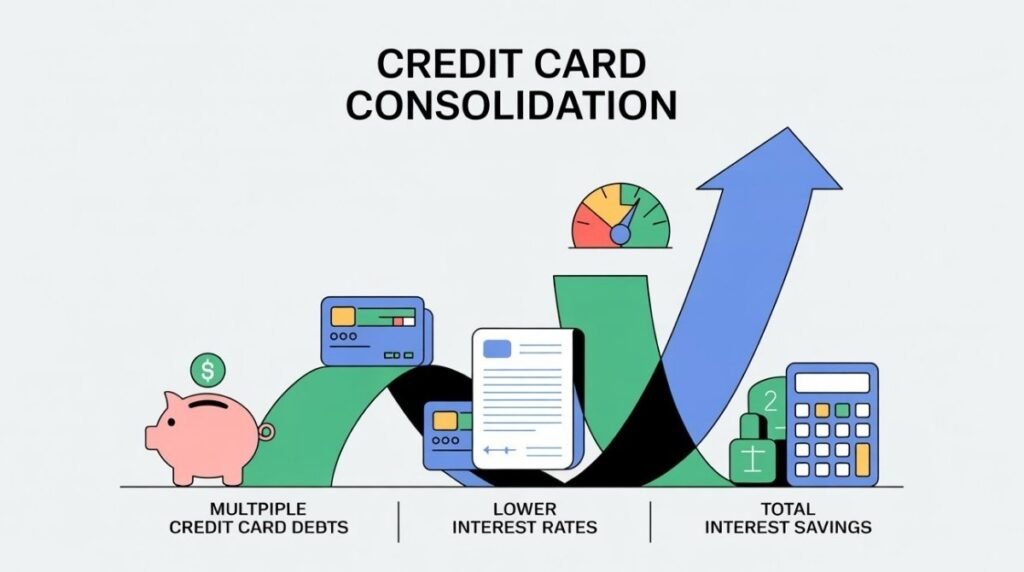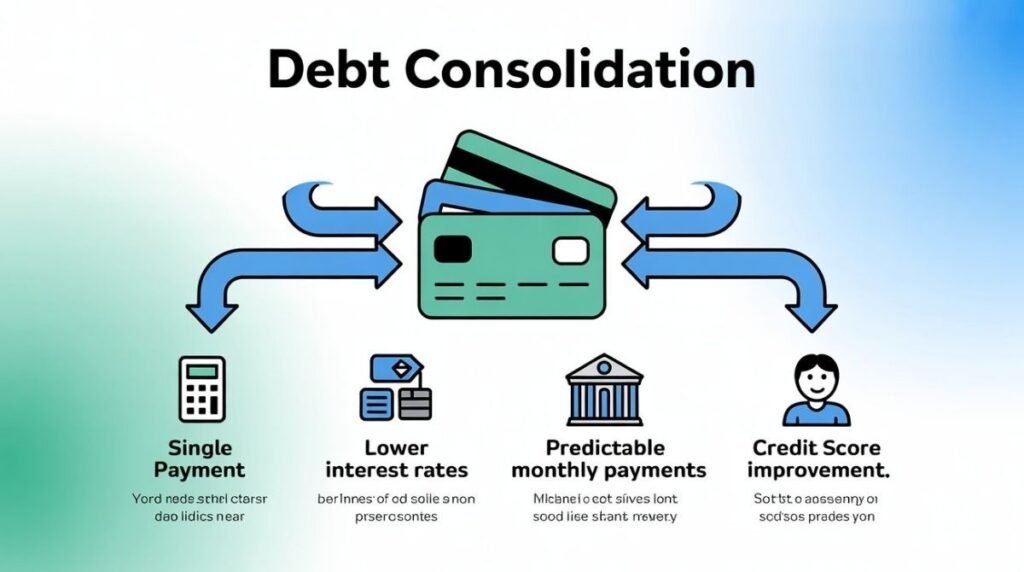
Managing multiple high-interest debts creates significant financial stress. A debt consolidation loan can streamline this complexity. This financial product combines several debts into one new loan. The goal is to secure a lower overall interest rate. It also simplifies your financial life with a single monthly payment.
Choosing the right lender requires careful comparison. The best option depends on your credit profile and financial goals. Some lenders specialize in offers for excellent credit. Others provide solutions for those with fair or poor credit histories. We will examine the leading providers and key selection criteria.
What is a Debt Consolidation Loan?
A debt consolidation loan is a type of unsecured personal loan. You use the loan proceeds to pay off existing creditors. These often include credit card balances, medical bills, or other personal loans. You then make one fixed monthly payment to the new lender. This process can potentially save you money on interest charges. It also helps you track your progress toward becoming debt free.
These loans typically feature fixed interest rates and set repayment terms. Terms often range from two to seven years. A fixed rate provides payment predictability over the loan’s life. Your approval and rate depend heavily on your credit score, income, and existing debt.
How the Consolidation Process Works
The process involves several clear steps. Understanding them helps ensure a smooth experience.
- Check Your Credit Score: Know your starting point before you apply.
- Compare Loan Offers: Get pre-qualified rates from multiple lenders.
- Choose a Lender: Select the offer with the best terms for your situation.
- Formal Application: Submit required documents for final approval.
- Receive Funds: The lender may pay your creditors directly or send you funds.
- Begin Repayment: Make single monthly payments to your new lender.
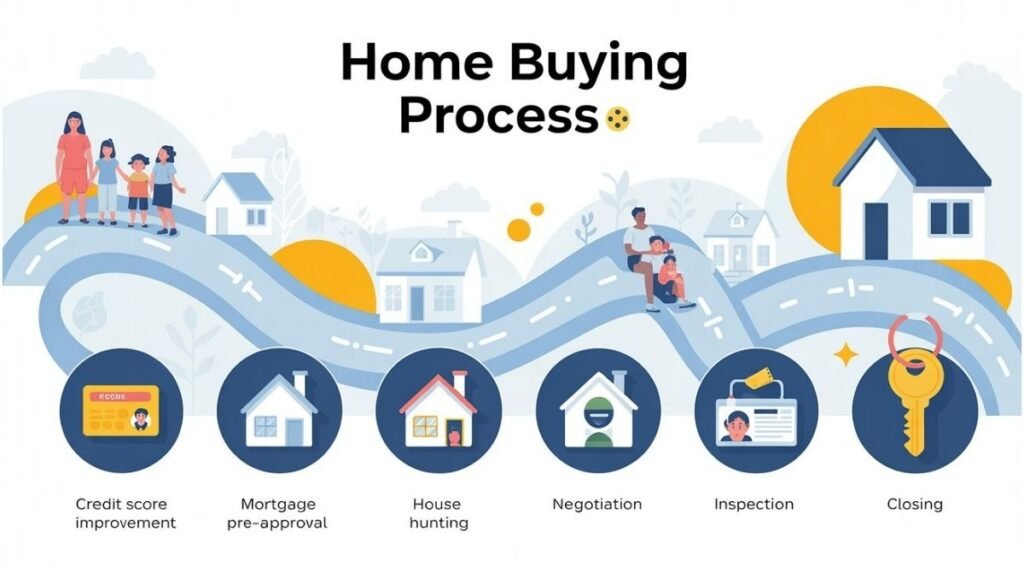
[For comparison, check out our post on Home Buyers Loan Tips to understand different lending approaches.]
Key Factors for Comparing Lenders
Not all lenders are created equal. Several critical factors differentiate the top options. Evaluating these points helps you find the best fit.
- Annual Percentage Rate (APR): This is the total cost of the loan per year. It includes the interest rate plus any fees. A lower APR means lower overall cost.
- Loan Terms: The length of time you have to repay the loan. Shorter terms mean higher payments but less interest paid.
- Fees: Look for lenders with no origination fees or prepayment penalties.
- Funding Speed: Some lenders offer same-day or next-day funding after approval.
Leading Debt Consolidation Loan Lenders
We have analyzed top U.S. lenders based on their key features. The table below provides a clear, side-by-side comparison.
| Lender | Best For | APR Range | Loan Amounts | Key Feature |
|---|---|---|---|---|
| SoFi | Good to excellent credit | 8.99% – 25.81% | $5,000 – $100,000 | No fees, unemployment protection |
| LightStream | Lowest rates | 7.49% – 25.99% | $5,000 – $100,000 | Rate Beat Program |
| Upstart | Fair credit | 6.40% – 35.99% | $1,000 – $50,000 | Considers alternative credit data |
| Discover | Customer experience | 7.99% – 24.99% | $2,500 – $40,000 | Direct creditor payment |
| Avant | Bad credit | 9.95% – 35.99% | $2,000 – $35,000 | Accessible credit requirements |
For Borrowers with Good to Excellent Credit
Lenders in this category offer the most competitive rates. They require a credit score typically above 670.
SoFi stands out for its member benefits. It charges no origination fees or prepayment penalties. SoFi also provides career coaching and financial planning tools. LightStream is known for its exceptionally low rates for well-qualified borrowers. It offers a Rate Beat Program, promising to beat a competitor’s rate by 0.10 percentage points.
For Borrowers with Fair or Bad Credit
Some lenders specialize in working with borrowers with less-than-perfect credit.
Upstart uses an artificial intelligence-based model. It considers factors like education and employment history. This can help borrowers with a thin credit file. Avant caters specifically to those with lower credit scores. While its APRs are higher, it provides an option for those with few alternatives.
The Financial Benefits of Consolidation
A well-structured debt consolidation loan offers several concrete advantages. The primary benefit is potential interest savings.
- Lower Interest Rate: The main goal is to secure an APR lower than your current debts’ average.
- Simplified Finances: One payment is easier to manage than several due dates.
- Fixed Repayment Schedule: A set end date provides a clear path to debt freedom.
- Credit Score Improvement: On-time payments can positively impact your credit history.
Calculating Your Potential Savings
Use the following table to estimate your potential savings. Compare your current total debt payments to a new consolidated loan payment.
| Scenario | Total Debt | Current Avg. APR | New Loan APR | Monthly Payment | Total Interest |
|---|---|---|---|---|---|
| Before Consolidation | $20,000 | 22% | – | $506 | $10,360 |
| After Consolidation | $20,000 | – | 15% | $423 | $5,380 |
| Savings | – | – | – | $83/month | $4,980 total |
Steps to Secure Your Loan
A proactive approach improves your chances of approval. It also helps you secure the best possible rate.
- Review Your Credit Report: Check for errors and dispute inaccuracies.
- Calculate Your Debt-to-Income Ratio (DTI): Lenders prefer a DTI below 36%.
- Get Pre-Qualified: This soft credit check does not impact your score.
- Gather Documentation: Have pay stubs, W-2s, and proof of address ready.
- Submit a Formal Application: This triggers a hard credit inquiry.
Avoiding Common Pitfalls
A debt consolidation loan is a tool, not a magic solution. Avoid these mistakes to ensure long-term success.
- Accumulating New Debt: Do not run up credit card balances again after consolidation.
- Ignoring the Root Cause: Address the spending habits that led to the debt.
- Focusing Only on the Monthly Payment: A longer term can lower payments but increase total interest.
- Overlooking Fees: Factor in origination fees when calculating the true cost.
Alternatives to a Consolidation Loan
A loan is not the only method for managing debt. Consider these options based on your circumstances.
- Balance Transfer Credit Card: Offers a 0% introductory APR for a set period.
- Debt Management Plan (DMP): A credit counseling agency negotiates with creditors.
- Home Equity Loan (HELOC): Secured by your home’s equity, often with lower rates.
[For professional debt counseling, consider contacting the National Foundation for Credit Counseling (NFCC)]
Conclusion
A debt consolidation loan can be a powerful strategy for regaining financial control. It simplifies repayment and can reduce interest costs. The best lender for you depends on your credit score and financial objectives. Compare offers from multiple providers before making a decision. Use this tool as part of a broader plan for improved financial health.
Frequently Asked Questions
What credit score is needed for a debt consolidation loan?
Most lenders require a minimum FICO score of 580 to 620 for approval. Scores above 670 qualify for the best interest rates. Some specialized lenders may consider applicants with lower scores.
Will a debt consolidation loan hurt my credit score?
A small, temporary dip may occur due to the hard credit inquiry. Over time, consistent on-time payments can improve your score. Reducing your credit utilization ratio by paying off cards also helps.
How long does it take to get a debt consolidation loan?
The timeline varies by lender. The online application takes minutes. Approval can be instant or take a few business days. Funding often occurs within a week of approval.
Can I include all my debts in a consolidation loan?
Most unsecured debts are eligible. This includes credit cards, medical bills, and personal loans. Secured debts like auto loans or mortgages typically cannot be consolidated this way.
What is the difference between debt consolidation and debt settlement?
Debt consolidation pays your debts in full with a new loan. Debt settlement involves negotiating to pay less than the full amount owed. Settlement severely damages your credit score, while consolidation can help build it.