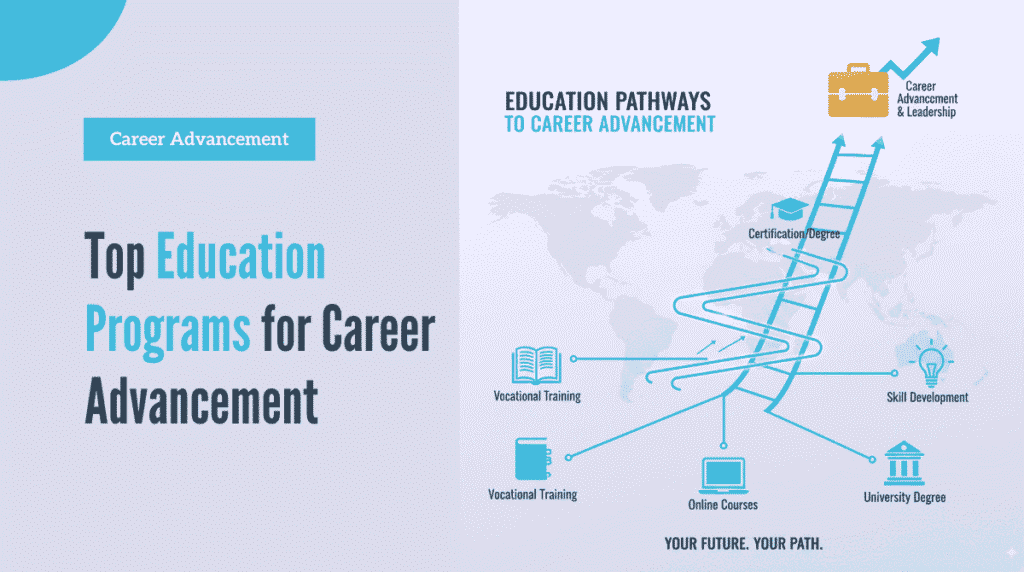
In today’s competitive job market, education programs are pivotal for career advancement. Whether you’re aiming to climb the corporate ladder, switch industries, or enhance your skill set, the right educational pathway can open doors to new opportunities. This article delves into various education programs that can propel your career forward, focusing on flexibility, industry relevance, and skill acquisition.
The landscape of education is evolving, with traditional degree programs coexisting alongside certifications, online courses, and vocational training. Professionals are increasingly seeking education that aligns with their career goals, offers practical skills, and provides a return on investment. By exploring these options, you can make informed decisions about your educational journey and its impact on your professional trajectory.
1. Online Degree Programs: Flexibility Meets Quality
Top Fields for Online Degrees
Online degree programs have surged in popularity due to their flexibility and accessibility. They cater to working professionals seeking to balance education with career and personal commitments. Key fields include:
- Business Administration: Programs like MBAs offer leadership and strategic management skills.
- Computer Science: Degrees in this field prepare individuals for roles in software development, data analysis, and IT management.
- Healthcare Management: Combines business acumen with healthcare knowledge, leading to roles in hospital administration and health services management.
- Education: Online teaching degrees and certifications are ideal for those looking to enter or advance in the education sector.
Comparison of Popular Education Programs
| Program Type | Duration | Best For | Example Institutions |
|---|---|---|---|
| Online Degrees | 1-4 years | Working adults, flexibility | University of Phoenix, Coursera |
| Executive Education | 1 week to 6 months | Senior professionals, leadership | Harvard, Wharton, Columbia Business School |
| Certification Programs | 3-12 months | Skill enhancement, job market demand | Google Digital Garage, CompTIA |
| Vocational Education | 6 months to 2 years | Practical skills, immediate employment | DeVry University, Universal Technical Institute |
| Graduate Programs | 2-7 years | Advanced roles, specialized careers | Stanford, MIT, Yale |
Leading Online Education Platforms
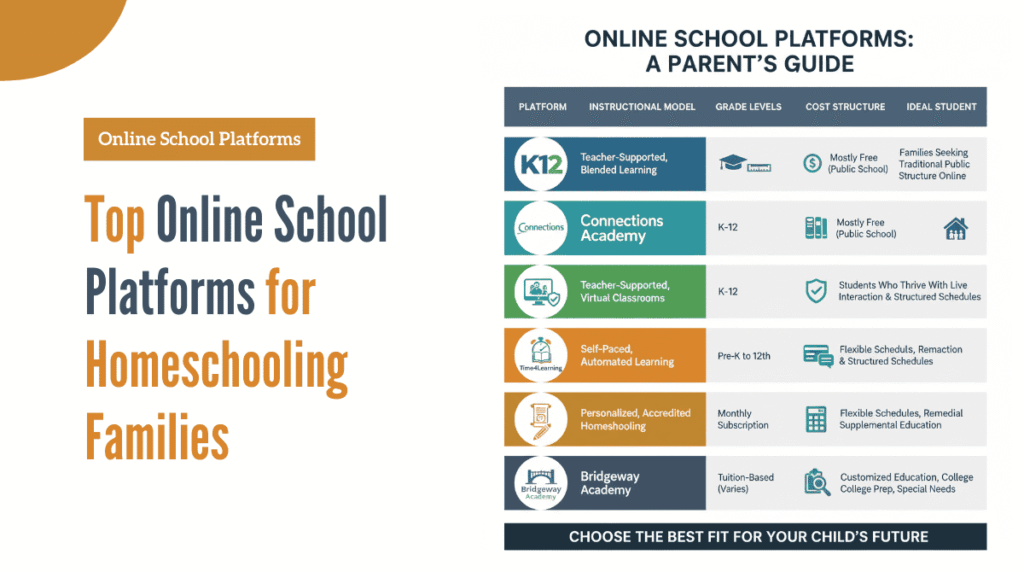
Several platforms offer accredited online degree programs:
- Coursera: Partners with universities like Stanford and the University of Michigan to offer a range of degrees.
- edX: Provides programs from institutions such as Harvard and MIT.
- University of Phoenix: Offers a variety of undergraduate and graduate programs with a focus on working adults.
2. Certification Programs: Quick Skill Acquisition
In-Demand Certifications
Certification programs are an excellent way to gain specialised skills in a short time frame. Popular certifications include:
- Project Management Professional (PMP): Recognized globally, this certification enhances project management skills.
- Certified Information Systems Security Professional (CISSP): Ideal for those pursuing careers in cybersecurity.
- Google Analytics Certification: Beneficial for digital marketing professionals seeking to validate their analytics skills.
- Certified Nursing Assistant (CNA): A stepping stone into the healthcare industry, providing foundational patient care skills.
Benefits of Certification Programs
- Short Duration: Many certifications can be completed in a few months.
- Cost-Effective: Generally less expensive than degree programs.
- Industry Recognition: Widely acknowledged by employers as proof of expertise.
3. Executive Education: For Established Professionals
Focus Areas in Executive Programs
Executive education programs are tailored for mid-to-senior level professionals aiming to enhance their leadership capabilities. Areas of focus include:
- Strategic Leadership: Courses that develop skills in leading organizations and making high-level decisions.
- Innovation Management: Programs that teach how to foster innovation within companies.
- Global Business: Courses that prepare leaders for managing international operations.
Notable Executive Education Providers
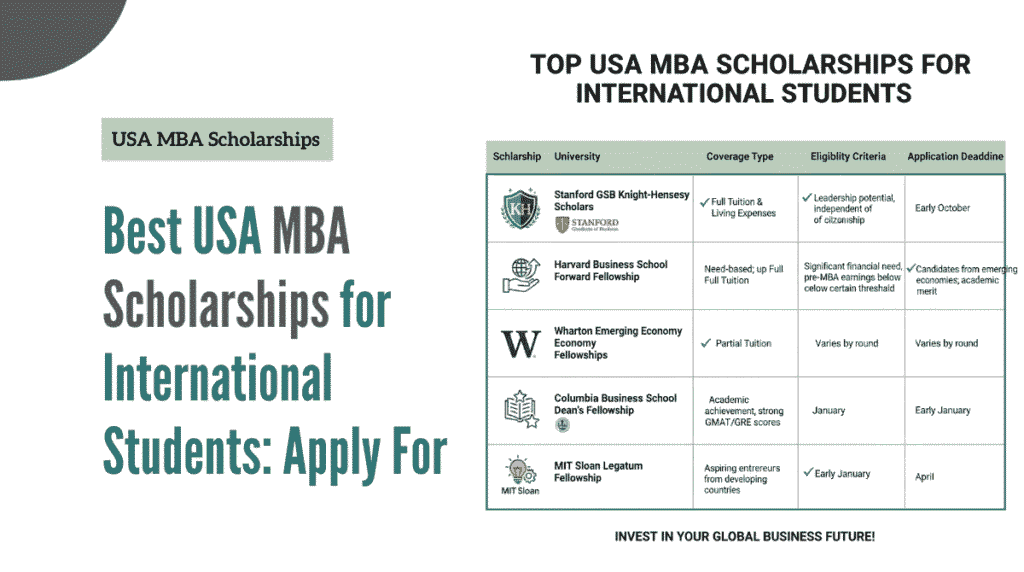
- Harvard Business School: Offers programs like the Advanced Management Program.
- Wharton School of the University of Pennsylvania: Known for leadership and management courses.
- Columbia Business School: Provides executive programs focusing on global business strategies.
4. Vocational Training: Hands-On Skill Development
High-Demand Vocational Fields
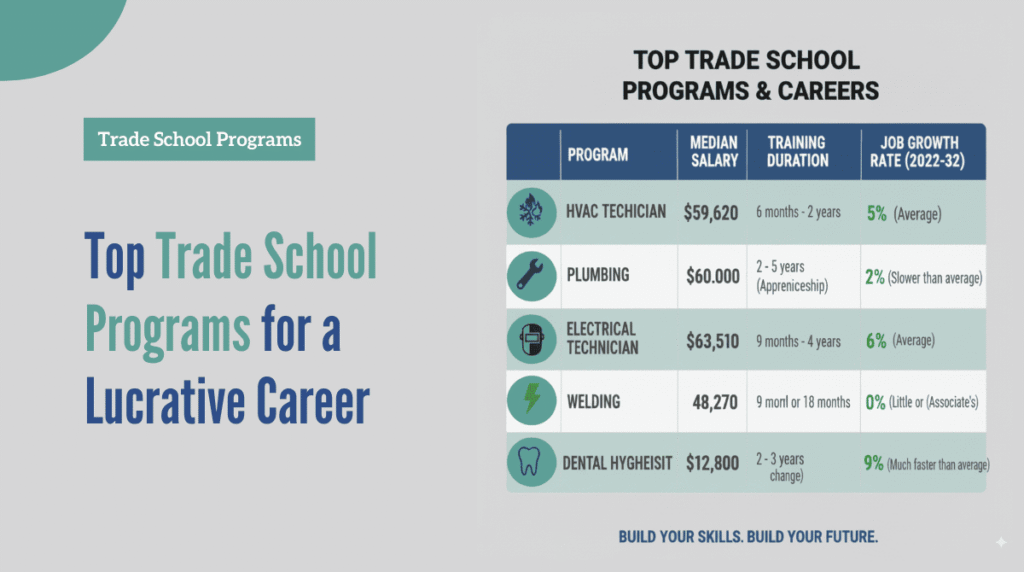
Vocational training equips individuals with practical skills for specific trades. In-demand fields include:
- Electricians: Training programs leading to certification and licensure.
- Plumbers: Apprenticeships and technical courses available.
- Medical Assistants: Programs that prepare individuals for clinical and administrative roles in healthcare settings.
- Information Technology Support: Courses in network administration and technical support.
Advantages of Vocational Education
- Direct Career Pathways: Programs are designed to lead directly to employment.
- Hands-On Experience: Emphasis on practical skills and real-world applications.
- Shorter Duration: Many programs can be completed in less than two years.
5. Graduate Programs: Advanced Knowledge for Career Advancement
Popular Graduate Degrees
Graduate programs provide in-depth knowledge and are often required for advanced positions. Common graduate degrees include:
- Master of Business Administration (MBA): Focuses on leadership, finance, and strategic management.
- Master of Science in Nursing (MSN): Prepares nurses for advanced clinical roles or administrative positions.
- Master of Public Administration (MPA): Ideal for those pursuing careers in government or non-profit sectors.
- Master of Education (M.Ed.): Designed for educators seeking to advance their careers or move into administrative roles.
Top Skills Gained from Different Education Programs
| Education Type | Key Skills Gained | Career Opportunities |
|---|---|---|
| Online Degrees | Technical expertise, time management | Software engineer, business analyst, marketer |
| Executive Education | Leadership, strategy, decision-making | CEO, COO, senior manager |
| Certification Programs | Industry-specific tools, technical skills | IT support, project manager, digital marketer |
| Vocational Education | Hands-on experience, technical skills | Electrician, medical assistant, automotive technician |
| Graduate Programs | Specialized knowledge, research skills | Researcher, professor, lawyer, doctor |
Selecting the Right Graduate Program
- Accreditation: Ensure the program is accredited by a recognized body.
- Curriculum: Review the curriculum to ensure it aligns with career goals.
- Flexibility: Consider programs that offer part-time or online options if balancing work and study.
6. Apprenticeships: Earning While Learning
Benefits of Apprenticeship Programs
Apprenticeships combine on-the-job training with classroom instruction, allowing individuals to earn while they learn. Benefits include:
- Paid Training: Apprentices receive wages during their training period.
- Industry Experience: Hands-on experience in a specific trade or profession.
- Job Placement: Many apprenticeships lead to full-time employment upon completion.
Sectors Offering Apprenticeships
- Construction trades include carpentry, masonry, and HVAC.
- Manufacturing: Opportunities in machining, welding, and electrical work.
- Healthcare: Programs for medical assistants and dental technicians.
- Information Technology: Apprenticeships in software development and network administration.
7. Continuing Education: Lifelong Learning for Career Growth
Importance of Lifelong Learning
Continuing education programs are designed for individuals seeking to update or acquire new skills throughout their careers. These programs offer:
- Skill Enhancement: Courses that focus on current industry trends and technologies.
- Professional Development: Opportunities to earn certifications and attend workshops.
- Networking: Access to professional communities and events.
Providers of Continuing Education
- Community Colleges: Offer a wide range of courses and certifications.
- Professional Associations: Provide specialized training and certification programs.
- Online Platforms: Websites like Coursera and LinkedIn Learning offer various courses.
8. Career Services and Counselling: Navigating Your Educational Path
Role of Career Services
Career services play a crucial role in helping individuals select appropriate education programs and plan their career paths. Services include:
- Career Counselling: Guidance on career choices and educational requirements.
- Resume and Interview Preparation: Assistance with job applications and interview techniques.
- Job Placement Assistance: Connecting graduates with potential employers.
Utilising Career Services
- Research: Explore various education programs and their outcomes.
- Networking: Attend career fairs and networking events.
- Advising: Seek advice on aligning education with career goals.
High-Impact Certification and Bootcamp Programs
Certifications and bootcamps offer focused, practical training. They are designed for rapid skills acquisition and career advancement. These Education Programs are often shorter and more affordable than degrees. They are perfect for professionals looking to pivot or upgrade specific skills quickly.
Project Management Professional (PMP)®
The PMP is a globally recognized certification. It validates your ability to manage complex projects. This credential is valuable across all industries. It demonstrates expertise in budgeting, scheduling, and team leadership. Many organizations require this certification for senior project roles.
Certified Information Systems Security Professional (CISSP)®
Cybersecurity is a critical concern for every company. The CISSP certification validates deep technical and managerial knowledge. It covers security architecture, risk management, and network security. This credential opens doors to high-level, well-paying job opportunities.
Coding Bootcamps
Coding bootcamps provide intensive, immersive training in software development. Programs typically last 12 to 24 weeks. They focus on practical skills like full-stack JavaScript or Python development. Graduates are prepared for roles as web developers and software engineers. These programs often have strong job placement support.
Top Professional Certification Programs
| Certification | Issuing Organization | Focus Area | Average Salary Impact |
|---|---|---|---|
| Project Management Professional (PMP)® | Project Management Institute (PMI) | Project Management | Significant increase for project manager roles |
| Certified Public Accountant (CPA) | American Institute of CPAs (AICPA) | Accounting and Finance | Required for many senior finance positions |
| Certified Information Systems Security Professional (CISSP)® | (ISC)² | Cybersecurity | High demand with premium salary levels |
| Google Career Certificates | Grow with Google | Data Analytics, UX Design, IT Support | Designed for job placement in high-growth fields |
Conclusion
Selecting the right education program is a pivotal step in advancing your career. Whether opting for an online degree, certification, executive education, vocational training, graduate program, apprenticeship, or continuing education, each pathway offers unique benefits tailored to different career aspirations. By carefully considering your professional goals, industry demands, and personal circumstances, you can choose an educational path that aligns with your ambitions and propels you toward success.
Frequently Asked Questions
What are the most effective education programs for career advancement?
The most effective programs vary based on individual career goals. Online degrees, certifications, executive education, and vocational training are all valuable options, depending on the field and desired outcomes.
How do I choose the right education program for my career?
Consider factors such as your career objectives, industry requirements, time commitment, and financial investment. Research various programs and consult with career advisors to make an informed decision.
Do employers recognize online education programs?
Yes, many online programs from accredited institutions are recognized by employers. It’s essential to choose programs from reputable providers to ensure credibility.
Can vocational training lead to high-paying careers?
Yes, vocational training in fields