PenFed mortgage rates remain competitive in today’s housing market. Strategic approaches can secure even better terms. This guide outlines actionable methods for maximum savings. We examine specific discount programs and qualification criteria. Our analysis draws from current lending data and industry patterns.
Multiple factors influence your final interest rate. Some borrowers miss key opportunities for reduction. Understanding PenFed’s unique structure helps. Credit unions often offer different benefits than banks. Knowledge of their system leads to financial advantage.
What Makes PenFed Mortgage Rates Stand Out?
PenFed is one of the largest credit unions in the U.S. Unlike traditional banks, credit unions are member-owned. Their mission is not profit maximization but providing competitive services for members.
Key features that set PenFed apart:
- Consistently competitive fixed-rate loans (15, 20, and 30 years)
- Adjustable-rate mortgages (ARMs) with caps to limit exposure
- Government-backed options like VA and FHA loans
- No requirement of military affiliation—membership is now open to all
- Digital mortgage platform with a streamlined application process
Yet competitive does not mean the lowest by default. Borrowers must optimize their profile to get the best pricing.
Key Determinants of Your Actual Rate
1. Borrower Credit Strength
- A credit score of 740+ usually qualifies for the best PenFed mortgage rates.
- Scores 620–679 may still be eligible, but at higher pricing tiers.
- Borrowers under 620 generally need FHA or VA programs, not conventional loans.
Action tip: Pull your credit report 3 months before applying. Pay down revolving balances to below 30% utilization.
2. Down Payment & Loan-to-Value (LTV)
- 20% down typically eliminates private mortgage insurance (PMI).
- Higher down payments reduce lender risk, which often trims rates by 0.125%–0.250%.
- LTV ratios over 80% push borrowers into higher rate brackets.
3. Loan Type
- Conventional loans: Best for strong borrowers with a good down payment.
- VA loans: Zero down, no PMI, often slightly lower rates.
- FHA loans: Flexible credit requirements, but include mortgage insurance premiums.
4. Term Selection
- 15-year loans have lower rates than 30-year loans.
- Shorter term = higher monthly payment but much less total interest.
PenFed’s Relationship Discounts and Loyalty Programs
PenFed provides special discounts for existing members. These relationship programs lower your PenFed mortgage rates significantly. Members with checking accounts often qualify. Automatic payment setups sometimes offer additional benefits. Long-term members may access exclusive promotions.
Review your current PenFed product portfolio. Consider consolidating accounts before applying. Ask loan officers about all available loyalty discounts. Some programs require specific account minimums. Documentation of your membership history helps.
The Power of Strong Credit Scoring
Credit scores directly impact PenFed mortgage rates. Higher scores typically secure better terms. Most lenders use risk-based pricing models. Even a small score increase can mean substantial savings. Focus on credit optimization before applying.
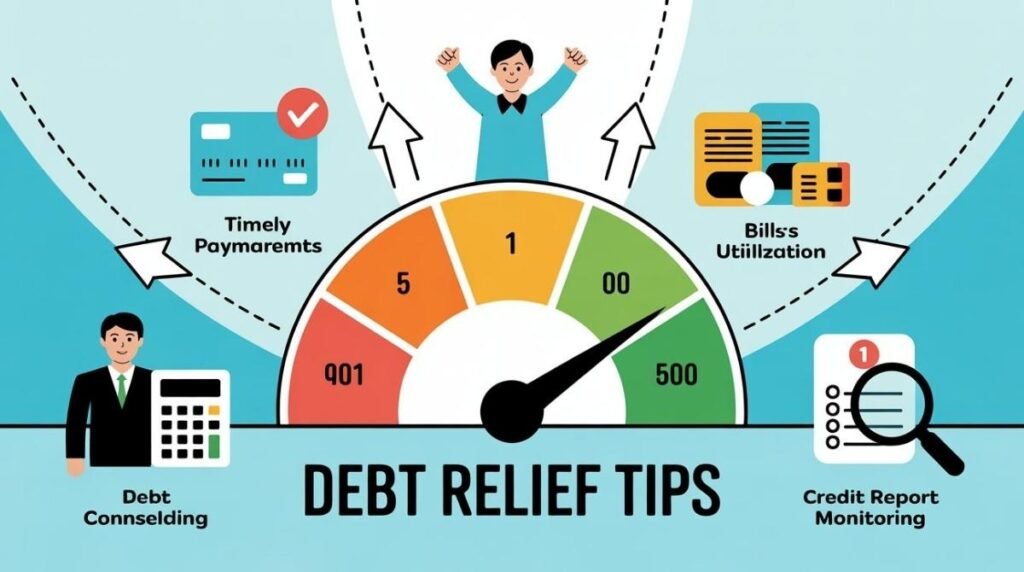
Obtain your credit reports from all three bureaus. Dispute any errors immediately. Reduce credit card balances below 30% utilization. Avoid new credit inquiries before a mortgage application. These steps often improve scores within months.
Strategic Use of Mortgage Points
Buying points lowers your PenFed mortgage rates permanently. This involves paying upfront fees for a rate reduction. Each point typically costs 1% of the loan amount. Points usually reduce rates by 0.25%. Calculate the break-even point carefully.
Consider points if you plan long-term home ownership. Compare point costs against potential interest savings. PenFed offers various point purchase options. Some programs limit the maximum points allowed. Run the numbers with your loan officer.
PenFed Mortgage Rate Factors and Impact Levels
| Factor | Impact Level | Potential Rate Change |
|---|---|---|
| Credit Score (720+) | High | -0.5% to -0.75% |
| Down Payment (20%) | Medium | -0.25% to -0.5% |
| Mortgage Points (2) | High | -0.5% fixed |
| Loan Type (VA vs Conventional) | High | -0.5% to -1.0% |
| Property Type (Primary) | Medium | -0.25% baseline |
Military Service and VA Loan Advantages
PenFed offers special VA loan programs for qualified personnel. These programs provide exceptional PenFed mortgage rates. VA loans often require no down payment. They typically avoid private mortgage insurance requirements. Military families should prioritize these options.
Verify your VA loan eligibility through official channels. Compare VA offers against conventional loan terms. Consider the funding fee structure carefully. PenFed specializes in military lending programs. Their expertise often means smoother processing.
Down Payment Strategies for Better Rates
Larger down payments often improve PenFed mortgage rates. Twenty percent down avoids mortgage insurance requirements. Even smaller increases can help. Each five percent increment may offer better terms. Assess your savings capacity realistically.
First-time homebuyer programs sometimes help. Some programs offer down payment assistance options. Gift funds from relatives may be acceptable. Document all fund sources properly. PenFed requires clear paper trails.
Timing Your Application Correctly
Mortgage rates fluctuate with market conditions. Timing your application can capture better PenFed mortgage rates. Economic reports influence rate movements. Federal Reserve announcements create volatility. Work with lenders who monitor these patterns.
Rate locks protect against market increases. Standard locks typically last 30-60 days. Longer locks may involve additional fees. Coordinate your lock period with closing dates. Avoid floating rates during volatile periods.
Comparing Loan Types and Terms
PenFed offers various mortgage products. Each loan type features different PenFed mortgage rates. Fixed-rate mortgages provide payment stability. Adjustable-rate mortgages may offer lower initial rates. Choose based on your financial situation.
Consider your home ownership timeline carefully. Short-term owners might prefer adjustable rates. Long-term owners often benefit from fixed rates. Government-backed loans have specific advantages. Conventional loans offer more flexibility.
PenFed Mortgage Products Comparison
| Loan Type | Best For | Rate Structure | Key Feature |
|---|---|---|---|
| VA Loan | Military members | Competitive fixed or adjustable | No down payment requirement |
| Conventional Loan | Strong credit borrowers | Fixed 15-30 years | Flexible terms and conditions |
| Jumbo Loan | High-value properties | Higher rates | Larger loan amounts available |
| Refinance | Existing homeowners | Various options | Cash-out and rate reduction |
The Pre-approval Process Advantage
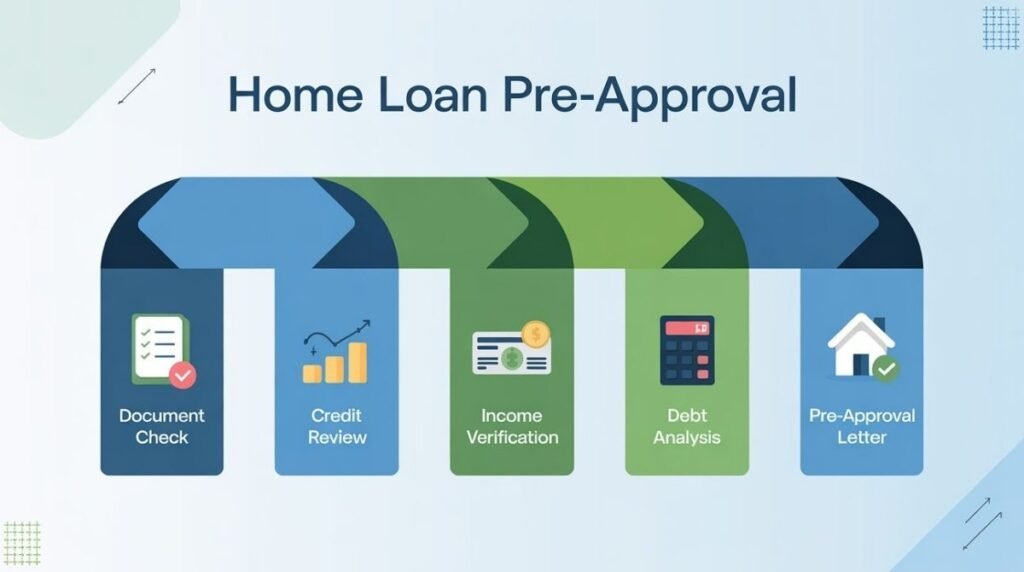
Formal pre-approval strengthens your negotiating position. It demonstrates serious buyer commitment. Sellers often prefer pre-approved buyers. This process may also secure better PenFed mortgage rates. Pre-approval involves a thorough financial review.
Gather all required documents before applying. Recent pay stubs and tax returns are essential. Bank statements and investment accounts help. Pre-approval letters typically last 90 days. Update your pre-approval if markets change significantly.
Refinancing Opportunities With PenFed
Existing homeowners can benefit from refinancing. Lower PenFed mortgage rates may justify the process. Calculate your break-even point carefully. Consider closing costs against monthly savings. PenFed offers streamlined refinance options.
Rate-and-term refinancing adjusts your interest rate. Cash-out refinancing accesses home equity. Compare both options against your goals. Credit requirements for refinancing may differ. Current home equity affects eligibility.
Avoiding Common Application Mistakes
Loan application errors cause delays and problems. Incomplete documentation is a frequent issue. Late submissions may affect rate locks. Inaccurate information creates compliance concerns. Organized applicants typically experience smoother processes.
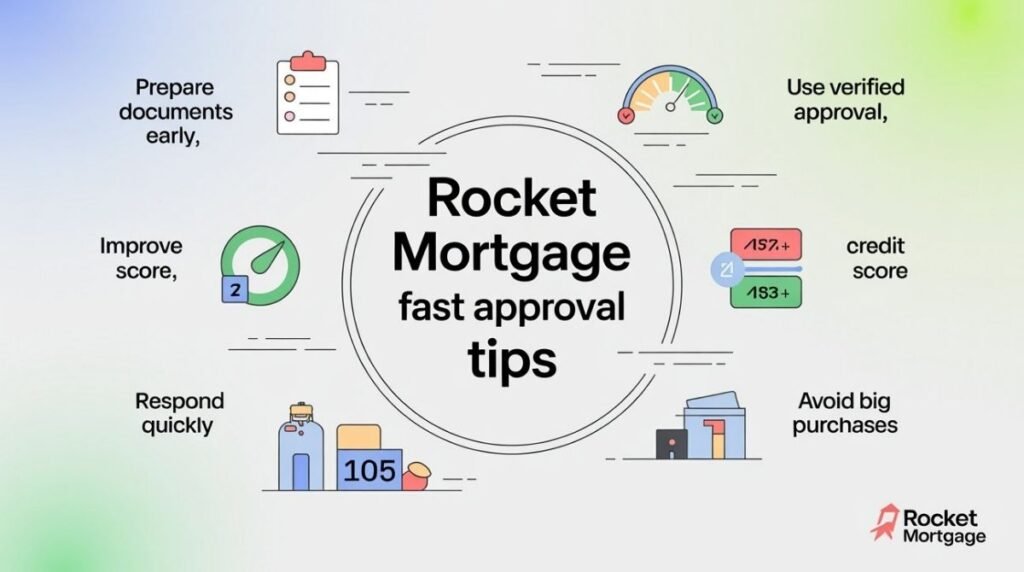
Use PenFed’s document checklist thoroughly. Respond to lender requests promptly. Disclose all financial information completely. Maintain communication with your loan officer. Professional guidance prevents many common errors.
Working Effectively With PenFed Loan Officers
PenFed’s loan officers provide valuable guidance. They understand current PenFed mortgage rates and programs. Clear communication ensures proper assistance. Describe your financial situation honestly. Ask specific questions about available options.
Loan officers can explain complex terms simply. They help compare different loan products. Their experience helps avoid common pitfalls. Choose an officer with relevant expertise. Military families might prefer veteran specialists.
Monitoring Rate Trends and Market Conditions
Mortgage rates change daily based on economic data. Bond market movements influence PenFed mortgage rates significantly. Employment reports affect rate directions. Inflation data causes substantial volatility. Informed borrowers recognize pattern opportunities.
Financial news websites track rate trends. PenFed’s website shows current rate sheets. Loan officers provide market insights. Economic calendars highlight important report dates. Timing applications around these events helps.
Long-Term Cost Management Strategies
Bi-Weekly Payments
Instead of paying once a month, split into two payments every two weeks. That equals 13 full payments per year instead of 12, shaving years off amortization.
Recasting Your Loan
PenFed may allow recasting, where you pay a lump sum principal, and the loan is recalculated. Payment drops without refinancing costs.
Refinancing Later
If rates fall significantly, refinancing is always on the table. Just weigh closing costs against expected savings.
Common Mistakes to Avoid
- Focusing only on the rate while ignoring origination fees and PMI
- Overbuying discount points without calculating break-even
- Choosing ARM loans when budgets can’t handle future hikes
- Forgetting to shop with multiple lenders before settling on PenFed
- Applying with high credit utilization or unstable income records
Conclusion
Securing the best PenFed mortgage rates requires preparation. Start by improving your credit profile. Research all available discount programs. Compare loan types against your needs. Consult with experienced loan officers regularly.
Monitor market conditions for optimal timing. Consider both short-term and long-term goals. Document all financial information completely. These steps maximize your savings potential. Your dream home becomes more affordable.
[Learn more about managing home loan options and interest plans in our Loan Insights section.]
FAQ
What credit score does PenFed require for the best mortgage rates?
PenFed typically prefers scores above 720 for optimal rates. Scores between 680 and 719 may still qualify. Lower scores might face higher rates or requirements.
How do PenFed’s mortgage rates compare to those of other lenders?
PenFed often competes strongly with major banks. Their credit union structure sometimes offers advantages. Military families frequently find better terms here.
Can I lock my PenFed mortgage rate during the application?
Yes, PenFed offers rate lock options. Standard locks last 30-60 days. Extended locks may involve additional fees.
Does PenFed charge origination fees on mortgages?
PenFed charges typical origination fees of around 1%. These fees vary by loan type and amount. Some programs may reduce these costs.
What mortgage products does PenFed offer?
PenFed provides VA, conventional, jumbo, and refinance loans. Each product serves different borrower needs. Specific eligibility requirements apply.